Skip to content
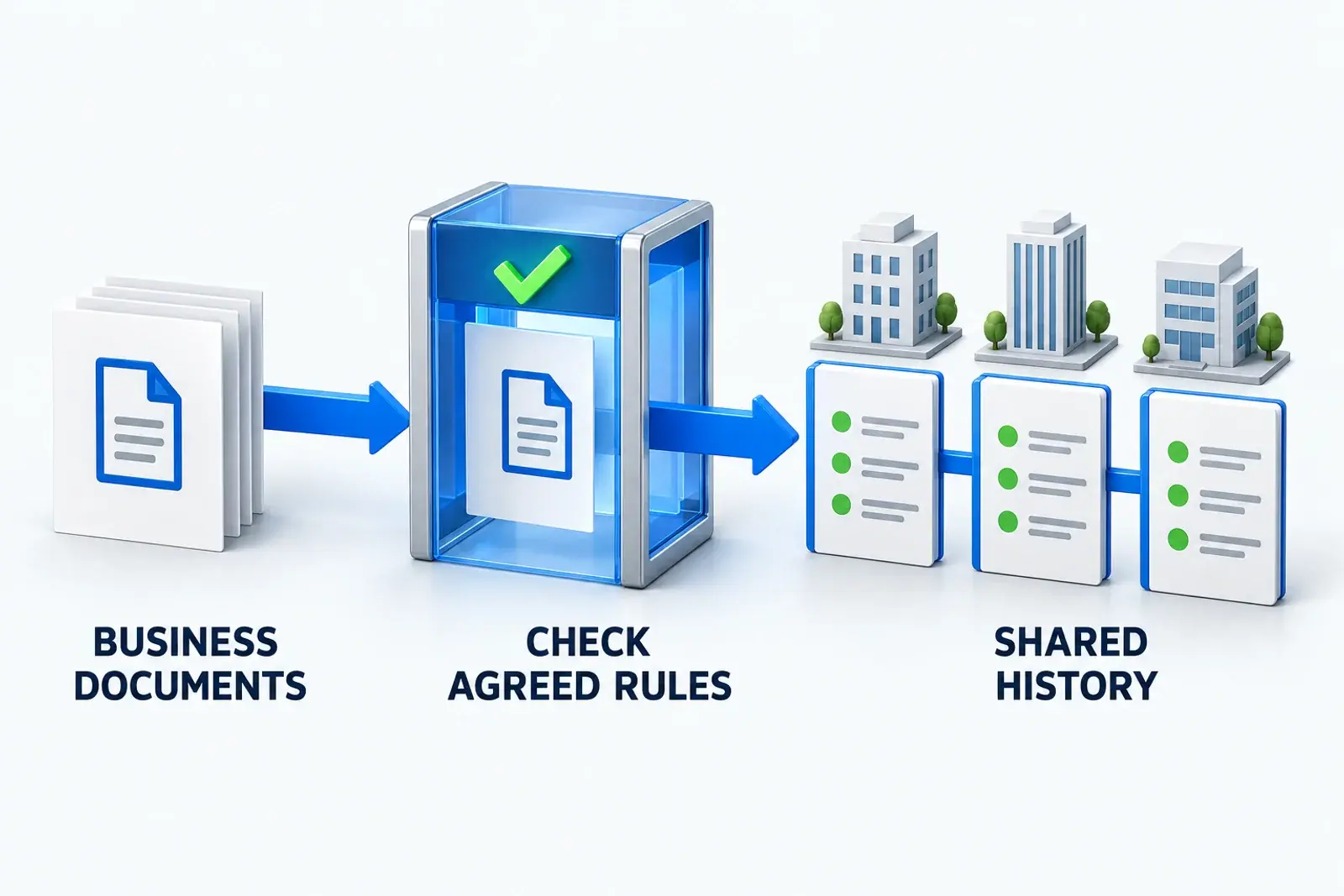
Business documents enter the software, agreed rules are checked, and participating companies share the same recorded history.
EURASIA & PARTNERS CO., LTDKOH SAMUI, THAILAND / INTERNATIONAL PROJECTS

Blockchain software
for business.

We build software that records creator rewards, tracks shipments and keeps welding and trade documents connected to their history.

WHAT THE SOFTWARE CONNECTSPEOPLE, DOCUMENTS AND BUSINESS RECORDS
Streaming activityWelding documentsShipment updates
OUR SOFTWARECheck.
Record.
Share.
Check permissionsKeep the history
Recorded rewardsWeld inspection historyShipment handover history
BUSINESS ACTIVITYCHECKED UPDATESSHARED RECORDS

01 / OUR PROJECTS

What we built.
What it solves.

We use Web3 to give people or companies shared digital records and software-enforced rules. Here is how we applied it in four projects.

01 / STREAMING & CREATOR REWARDS

PJM: streaming with digital rewards

A streaming product that connects participation to rewards in a built-in digital wallet.
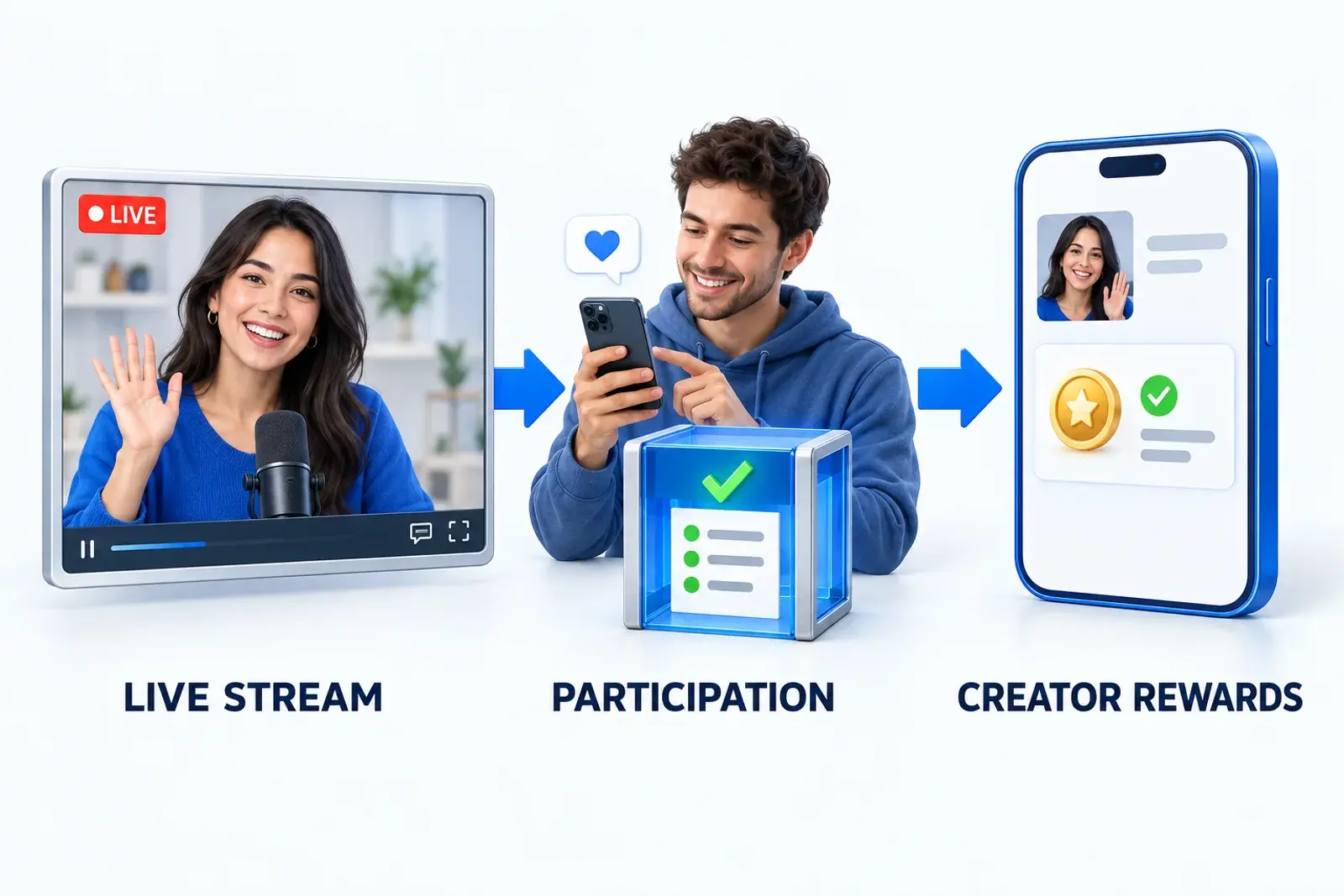
A creator hosts a live stream, a viewer participates, and software checks reward rules before digital rewards appear in the creator's wallet.
Concept illustration
Problem
The product needed to connect streaming activity to digital rewards and let creators receive those rewards inside the same application.
How we used Web3
We developed blockchain-based reward rules and connected them to streaming activity and a built-in wallet for holding digital assets.
Delivered result
Delivered the product components linking streaming, reward allocation and the wallet. Development and market work focused on Thailand.
PJM / FROM ACTIVITY TO REWARDPRODUCT MODEL
CreatorStreaming activity
RulesCheck eligibility
WalletRecord reward
WHAT THE SYSTEM CONNECTS
InputRecorded streaming activity
CheckAgreed reward rules
ResultReward linked to a wallet
Development story
  1. Define the product

    Anton Malinovskiy led product and engineering from the initial concept: how streaming participation would connect to digital rewards.

  2. Build the reward system

    Developed the reward rules, digital-asset functions and wallet experience.

  3. Connect the application

    Integrated the components into the streaming product and worked on its entry into the Thai market.
StreamingCreator rewardsBuilt-in wallet
02 / WELDING & QUALITY RECORDS

One digital file for each weld

A weld passport links a joint to its materials, welding work, inspections and final approval.

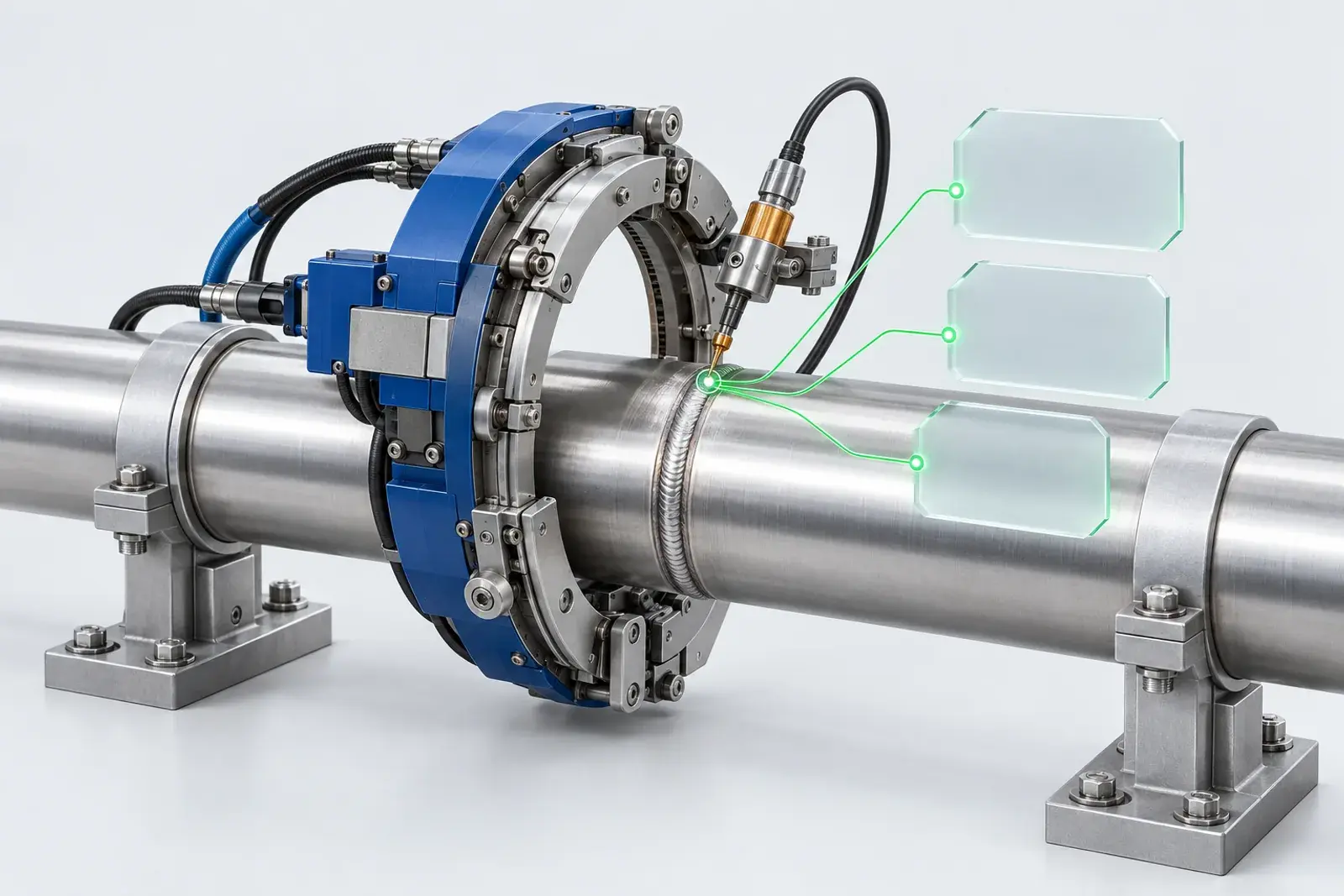
Concept illustration of a pipe joint, welding equipment and linked inspection documents.
Concept illustration
Problem
Material certificates, welding procedures and inspection reports come from different people. A quality review needs them linked to the right joint and document version.
How we used Web3
We developed a blockchain-based architecture that links each joint to signed records. It keeps the author and revision history connected to the supporting documents.
Delivered result
Delivered a record architecture covering materials, procedures, operators, inspections, repairs and acceptance. It provides a traceable documentation history, not proof of physical weld quality.
WHAT GOES INTO A WELD PASSPORTLINKED TO ONE JOINT
Work stageSupporting records
01 MaterialPipe ID and material batch
02 ProcedureWelding instructions and test records
03 WeldingOperator, equipment and settings
04 InspectionInspection reports and revisions
05 ApprovalRepairs and signed acceptance
What the system includes
  • Pipe identifier and material batch number (heat number).
  • Welding Procedure Specification (WPS): the instructions for making the weld.
  • Procedure Qualification Record (PQR / WPQR): records of tests used to qualify the welding procedure.
  • Operator qualifications, equipment identifiers and recorded welding settings.
  • Non-destructive testing (NDT), including ultrasonic (UT) and radiographic (RT) inspection reports, followed by repairs and final approval.

Qualified people must still inspect the actual weld. The system preserves the history of the records they submit.

Welding documentsInspection historySigned approvals
03 / INTERNATIONAL LOGISTICS

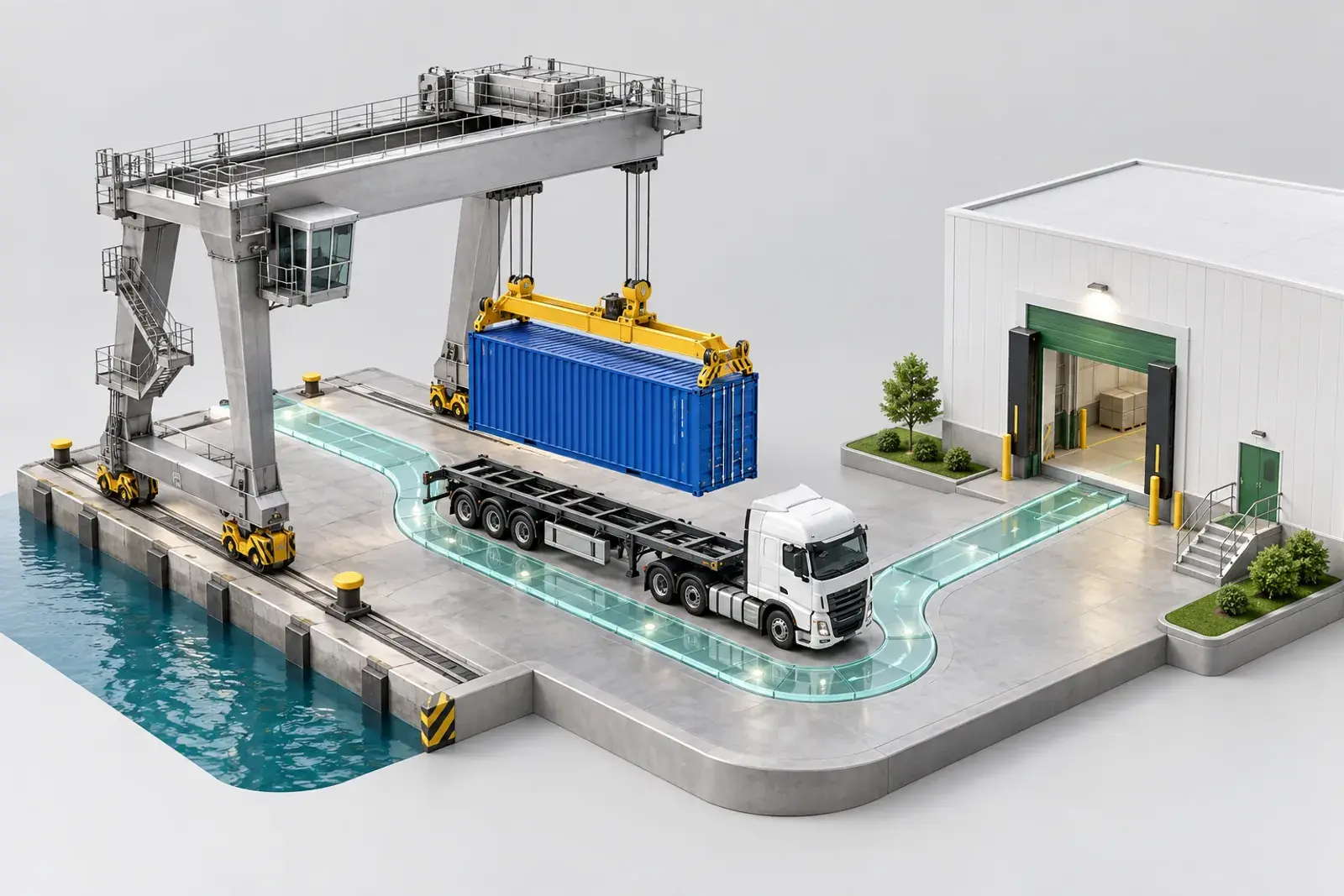
Shipment history across companies

A shared record of dispatch, handovers and delivery, linked to the shipment's documents.

Concept illustration of a container moving between a port, a truck and a warehouse.
Concept illustration
Problem
Suppliers, carriers and receivers each handle part of a shipment. Checking what happened requires matching their updates, approvals and transport documents.
How we used Web3
We connected shipment identifiers and documents to shared blockchain records. Each authorized partner records its part of the journey, with its identity and approval attached.
Delivered result
Developed and applied a common shipment history in our own international logistics. Teams can review who recorded each handover and which documents support it.
SHIPMENT / TWO CONNECTED HISTORIESWORKFLOW MODEL
PHYSICAL MOVEMENT
SupplierCarrierReceiver
01DispatchSource document
02HandoverParty approval
03ReceiptDelivery record
SHARED EVENT HISTORY
What the system includes
  • Dispatch, handover and receipt linked to the same shipment identifier.
  • Access rights for suppliers, carriers and delivery partners.
  • Document versions and approvals available for delivery checks and discrepancy reviews.

A recorded update is evidence of what a participant submitted. It does not replace checking the goods or the source documents.

Shipment trackingPartner approvalsTransport documents
04 / INTERNATIONAL TRADE

Electronic shipping document transfers

An electronic bill of lading (eBL) with a recorded holder and a traceable transfer history.

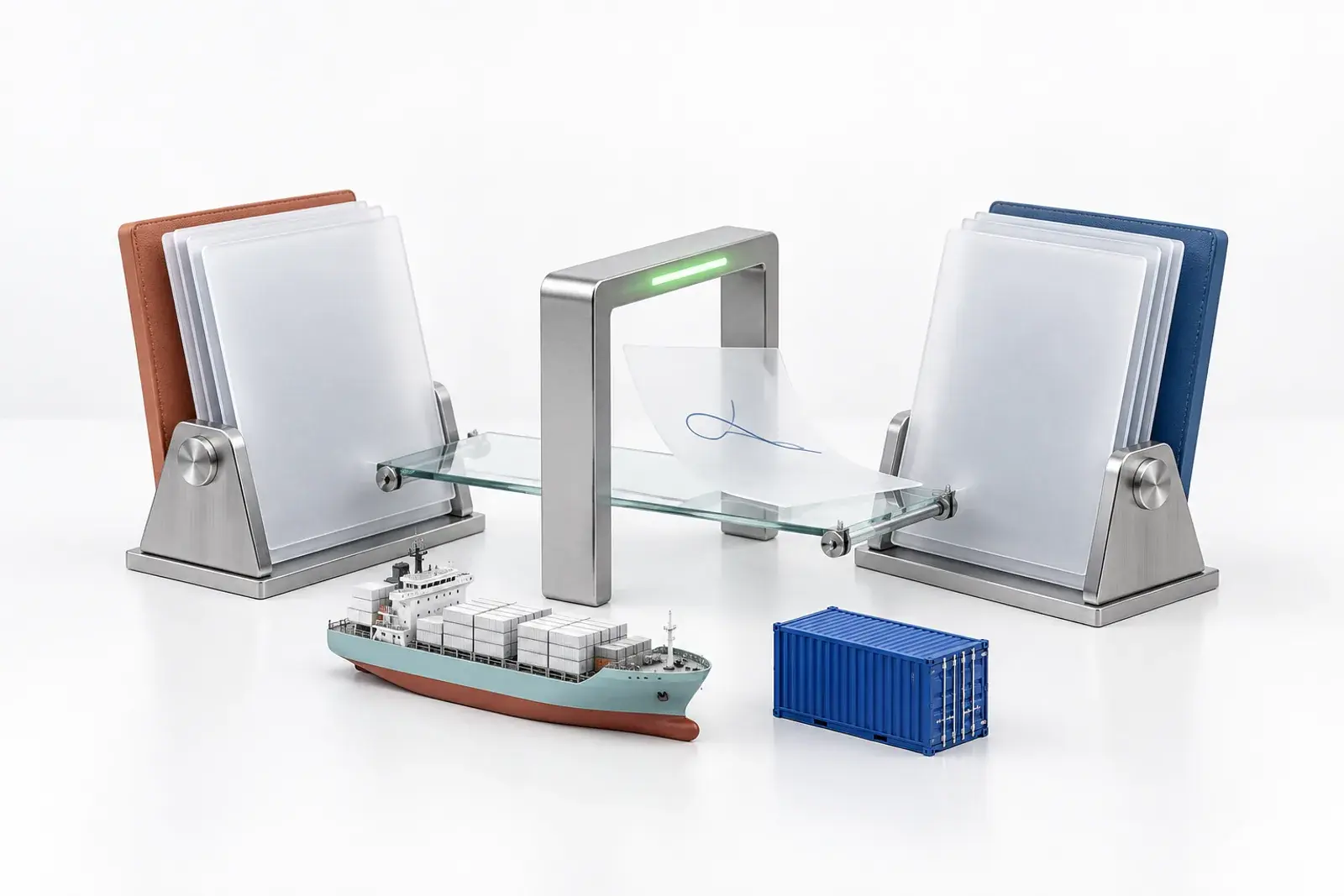
Concept illustration of a shipping document passing through an authorized transfer process.
Concept illustration
Problem
A transferable shipping document needs a clear record of its current holder. Every handover must follow the agreed permissions and transfer conditions.
How we used Web3
We developed and applied a smart-contract registry: software that checks transfer requests and records a new holder only when the programmed conditions are met.
Delivered result
Delivered a registry showing the document's current registered holder, status and transfer history, connected to international trade documents and partner workflows.
SHIPPING DOCUMENT / CHECKED HANDOVERTRANSFER EXAMPLE
Holder ACurrent holder
CheckPermission and rules
Holder BNext holder
RECORDED DOCUMENT HISTORY
  1. 01Document issued
  2. 02Transfer requested
  3. 03New holder recorded
What the system includes
  • Record the document's issue and its initial registered holder.
  • Check the requesting party's authority and the agreed transfer conditions.
  • Record an approved handover and keep the earlier transfer history.

A registry entry does not by itself establish legal rights to cargo. Those rights depend on the governing law and agreements for the transaction.

Electronic bill of ladingTransfer rulesHolder history

02 / SERVICES

The software
we can build for you.

We design the records and rules, build the application and connect it to your existing systems. The scope follows your business process.

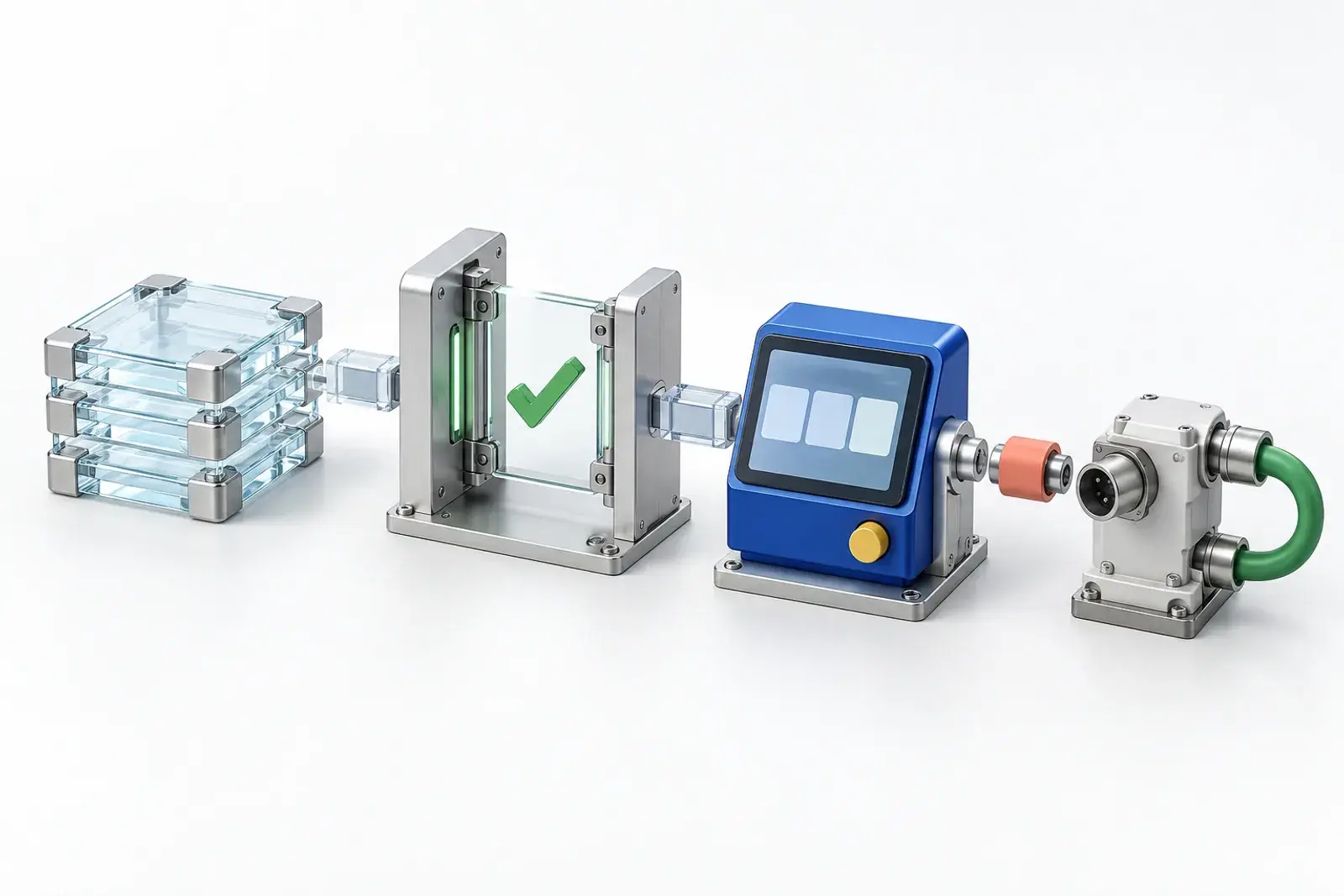
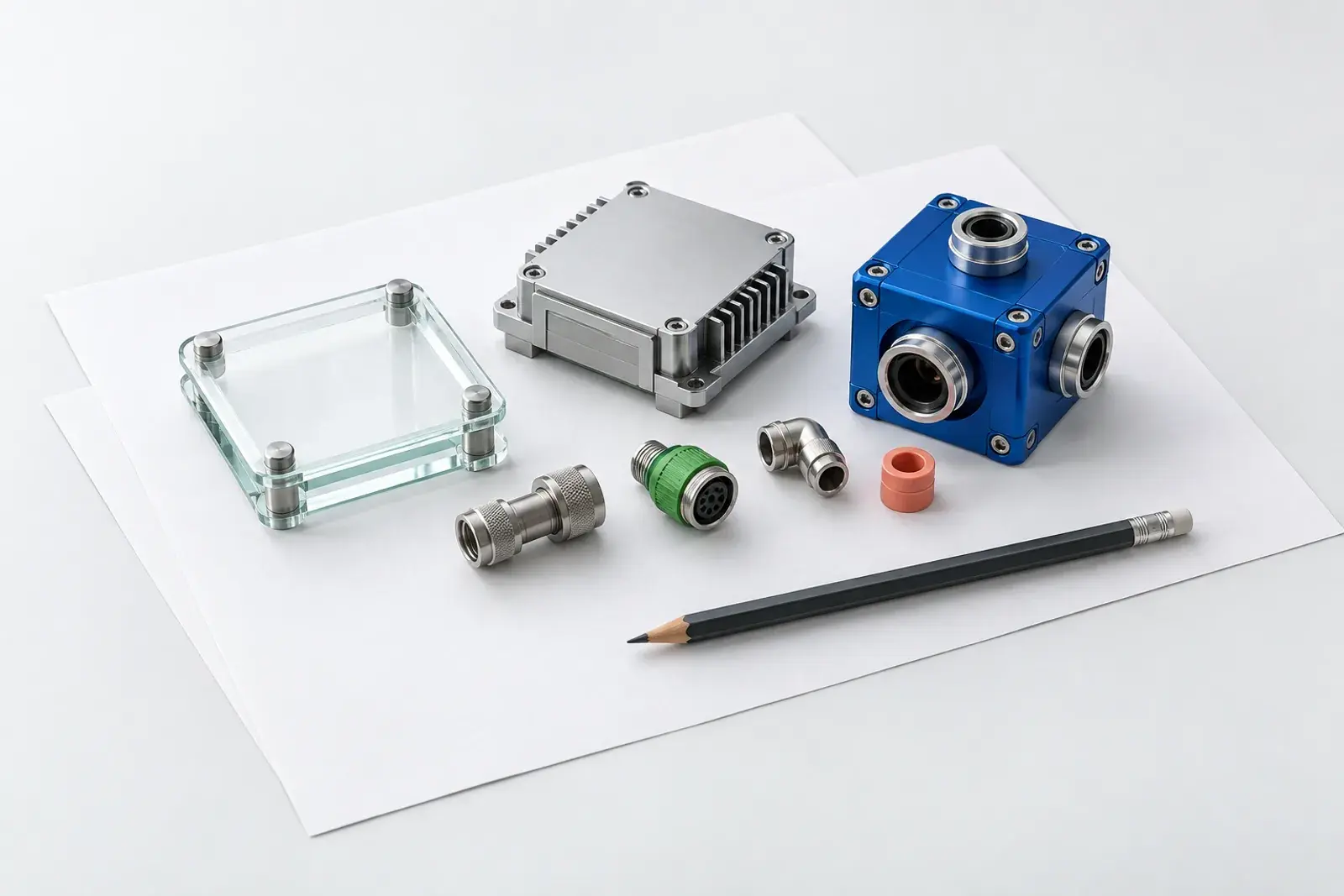
Concept illustration of software engineering components for records, rules, applications and data connections.
Concept illustration
[ 01 ]

Shared business records

Problem
Several companies need to use the same records without giving everyone permission to change them.
How we use Web3
We design a shared blockchain record and set who can submit, approve or view each entry.
What you get
A defined record structure, access rules and a history of approved changes.
COMPANIES SHARE A RECORD
Company ACompany B
Agreed access rulesOne shared history
[ 02 ]

Automatic business rules

Problem
Rewards, approvals and transfers need consistent checks before they go ahead.
How we use Web3
We write smart contracts: software that checks agreed conditions when a request arrives.
What you get
Tested rules that accept valid requests and reject those that do not meet the conditions.
SOFTWARE CHECKS A REQUEST
RequestCheck rules
conditions metApproveconditions not metReject
[ 03 ]

Applications people can use

Problem
A blockchain alone does not give creators or business teams a working product.
How we use Web3
We connect the blockchain to screens, accounts and, where needed, a digital wallet.
What you get
An application for submitting records, receiving rewards or approving a transfer.
FROM SCREEN TO RECORD
01Application screens
02Accounts and wallets
03Blockchain records
[ 04 ]

Connections to existing systems

Problem
Documents and equipment data already live in business software and partner systems.
How we use Web3
We connect those sources to shared records while keeping private files in controlled storage.
What you get
A connected process linking existing data, responsible people and approved updates.
EXISTING DATA, CONNECTED
SoftwareEquipmentPartners
Data connectionsLinked documents and updates

03 / HOW IT WORKS

Check the request.
Keep a shared history.

When several parties update the same record, the system needs to check who is allowed to act and preserve what changed. Blockchain keeps the shared history; smart contracts apply the programmed rules.

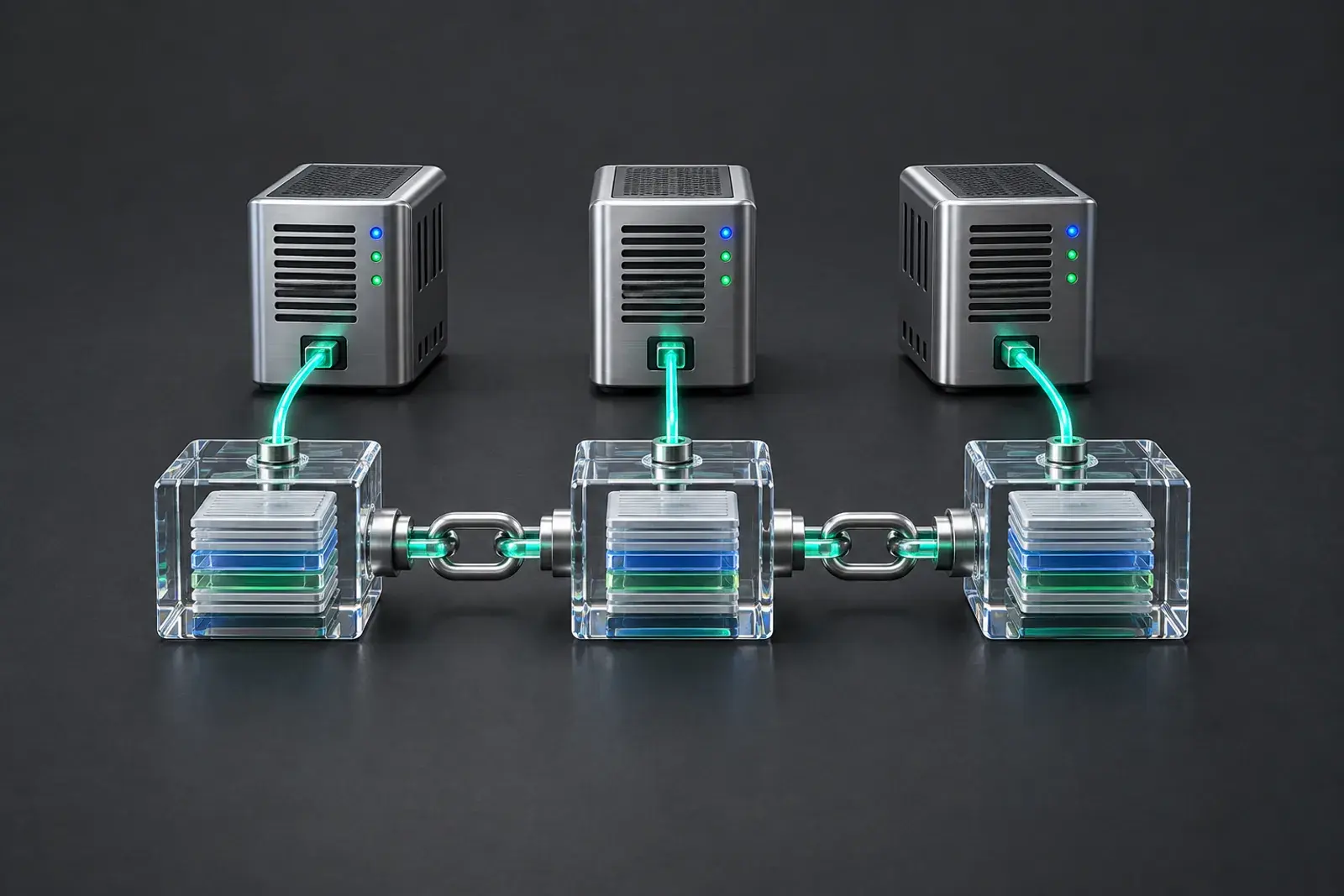
Concept illustration of linked record blocks and computers sharing the accepted history.
Concept illustration
FROM A BUSINESS DOCUMENT TO A SHARED RECORD
01 / SUBMITDocument or update

A report, a shipment handover or a reward request.

02 / CHECKPermission and rules

Is the sender authorized? Are the required records present?

03 / KEEPApproved history

A shared record of who submitted the update and what changed.

EXAMPLE / PJM

Record a creator's reward.

The streaming application reports eligible activity. The software checks the reward rules and records the allocation to the creator's digital wallet.

  1. 01Streaming activity
  2. 02Check reward rules
  3. 03Record reward
creator-reward.recordEXAMPLE
Request
Record creator reward
Submitted by
Authorized account
Check
Activity meets reward rules
Change
Eligible activity → reward recorded
Evidence
Signed activity record
01 / REQUEST02 / CHECK03 / RECORD
01 / LINKING RECORDS SO CHANGES CAN BE DETECTED
BLOCK n - 1
Previous fingerprint
Earlier hash
Contents
Transactions
This fingerprint
H-A
BLOCK n
Previous fingerprint
H-A
Contents
Transactions
This fingerprint
H-B
BLOCK n + 1
Previous fingerprint
H-B
Contents
Transactions
This fingerprint
H-C

A block groups transactions. Its hash is a digital fingerprint. Linking fingerprints helps detect changes to earlier records. H-A, H-B and H-C are example labels, not live data.

02 / KEEPING COPIES ACROSS A NETWORK
REQUESTSigned by the sender
NETWORK CHECKAgree which updates to accept
COMPUTER ARecord copy
COMPUTER BRecord copy
COMPUTER CRecord copy

Network computers keep copies of accepted records. The chosen network rules determine who can participate and when an update is final.

03 / APPLYING A RULE AUTOMATICALLY
DOCUMENT TRANSFER REQUESTChange holder from A to B
SMART CONTRACT CHECKSDoes the sender have permission?
Are transfer conditions met?
YESRecord holder BKeep the transfer history
NOReject transferKeep holder A

A smart contract is software that applies programmed rules. It checks the information provided; it cannot inspect physical goods by itself.

Technical references: NIST / blockchainEthereum / smart contracts

Private files stay private. Full business documents can remain in restricted storage. The blockchain can hold their references and the history of approved changes.

Accurate inputs still matter. A signature identifies who submitted a record. Neither a signature nor a blockchain proves that a weld passed inspection or that goods physically arrived.

04 / COMPANY

Software developers.
Equipment suppliers.
Logistics operators.

Koh Samui, Thailand
International trade and delivery

We use these systems in our own business.

EURASIA & PARTNERS CO., LTD develops blockchain software and also supplies industrial and welding equipment, construction materials, raw materials and other goods internationally.

Our operating need
Our trade and logistics work requires us to match shipment updates, partner approvals and the correct document versions.
How we apply Web3
We use shared shipment records and controlled document workflows in our daily operations.
Practical result
Our team can trace recorded handovers and approvals back to the people and documents behind them.
Equipment supply & logistics / eupart.org
COMPANY & PRODUCT LEADERSHIP

Anton Malinovskiy

Founder & General Director

Leads product development and blockchain engineering, from PJM's streaming and reward system to software for industrial records and international trade.

Concept illustration of equipment supply and logistics in a tropical coastal setting, not an actual company facility.
Concept illustration
OUR OWN OPERATIONS SHAPE WHAT WE BUILD
Supply and deliveryEquipment, goods and partners
Daily record needsDocuments, handovers and approvals
Used in our daily work
Connected recordsTrace each update to its source
Software developmentShared records and business rules
FROM PROBLEM TO SOFTWARE
  1. 01 / DEFINEDescribe the problemAgree who uses the system and what it must do.
  2. 02 / DESIGNSet the rulesDefine the records, permissions and approval steps.
  3. 03 / BUILDDevelop and testBuild the application and check valid and rejected requests.
  4. 04 / CONNECTUse it in the businessConnect data sources, validate the workflow and deploy.

05 / PRACTICAL QUESTIONS

What blockchain does.
What it does not.

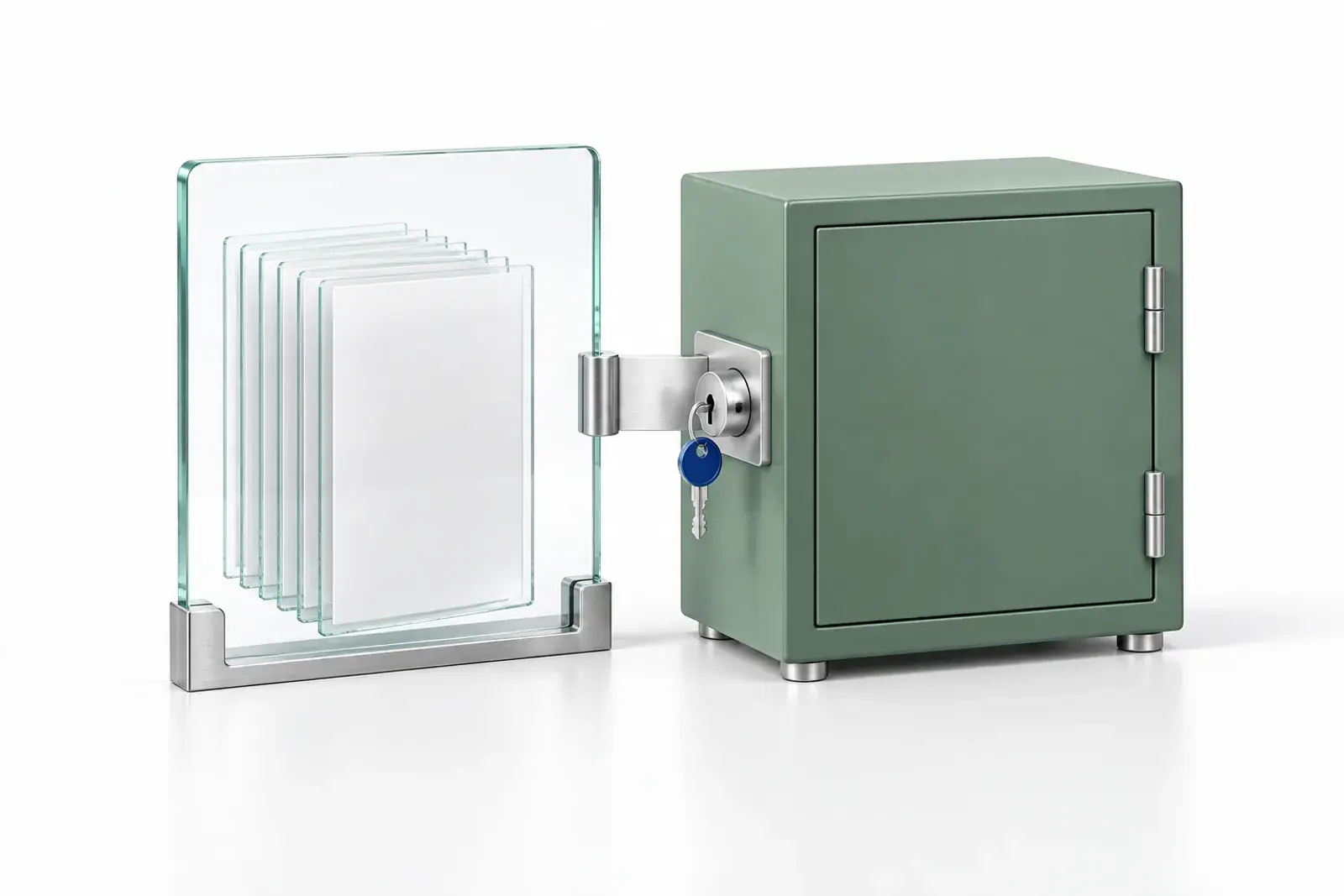
Concept illustration contrasting a shared record with access-controlled document storage.
Concept illustration
EXAMPLE / SHARE THE HISTORY, RESTRICT THE FILES
Shared recordRestricted files
Who approved an updateSupporting documents
Digital file fingerprintsFull document contents
Transfer historyCommercial terms
Access permissionsInternal business data
Why not use an ordinary database?

A normal database can be the better choice when one organization controls the records. We use blockchain where several parties need a shared, verifiable history and agreed rules for changing it. It is not a requirement for every project.

Does this mean buying cryptocurrency?

Not necessarily. PJM uses digital rewards. A shipment or welding-record system does not have to issue its own tradable token. Wallets, network fees and who handles them depend on the chosen design.

Will our commercial documents become public?

They do not have to. Files can remain in restricted storage. The shared record can contain document references, approval history and digital fingerprints used to check whether a file has changed.

Does blockchain prove that the original information is true?

No. It helps check recorded history and detect changes. Inspections, delivery checks and reliable data entry are still needed to establish what happened in the real world.

DISCUSS YOUR PROJECT

Which process
needs to improve?

Tell us what needs tracking, who must approve changes and which software you already use. We can then define the development scope.

Talk to our team
DIRECT LINE / THAILAND+66 62 132 1272
EURASIA & PARTNERS CO., LTD
142/17 Moo 4, Sub-district Maret
Koh Samui, Suratthani 84310, Thailand
eupart.org
Concept illustration of an engineering workbench with project plans and modular components.
Concept illustration
THREE THINGS TO AGREE BEFORE DEVELOPMENT
  1. 01The problem

    Which process or record is difficult to manage?

  2. 02The people and data

    Who submits, checks and uses the information?

  3. 03The result

    What must the finished software let your team do?

PROJECT BRIEF

What needs to improve?

Your draft stays in this browser tab. Nothing is sent automatically.

Discuss the project with our team+66 62 132 1272